DIY vs. Professional Fence Installation: Why Hiring a Professional Saves You Time and Money
When property owners encounter the decision of installing a fence, they frequently consider the advantages and disadvantages of DIY compared to professional installation. Although the appeal of cutting costs with a DIY approach is attractive, the possible complications can result in greater expenses and delays. Experts provide skill and precision, which can be vital in managing complex installation challenges. This raises an important question: What are the real benefits of opting for expert installation?
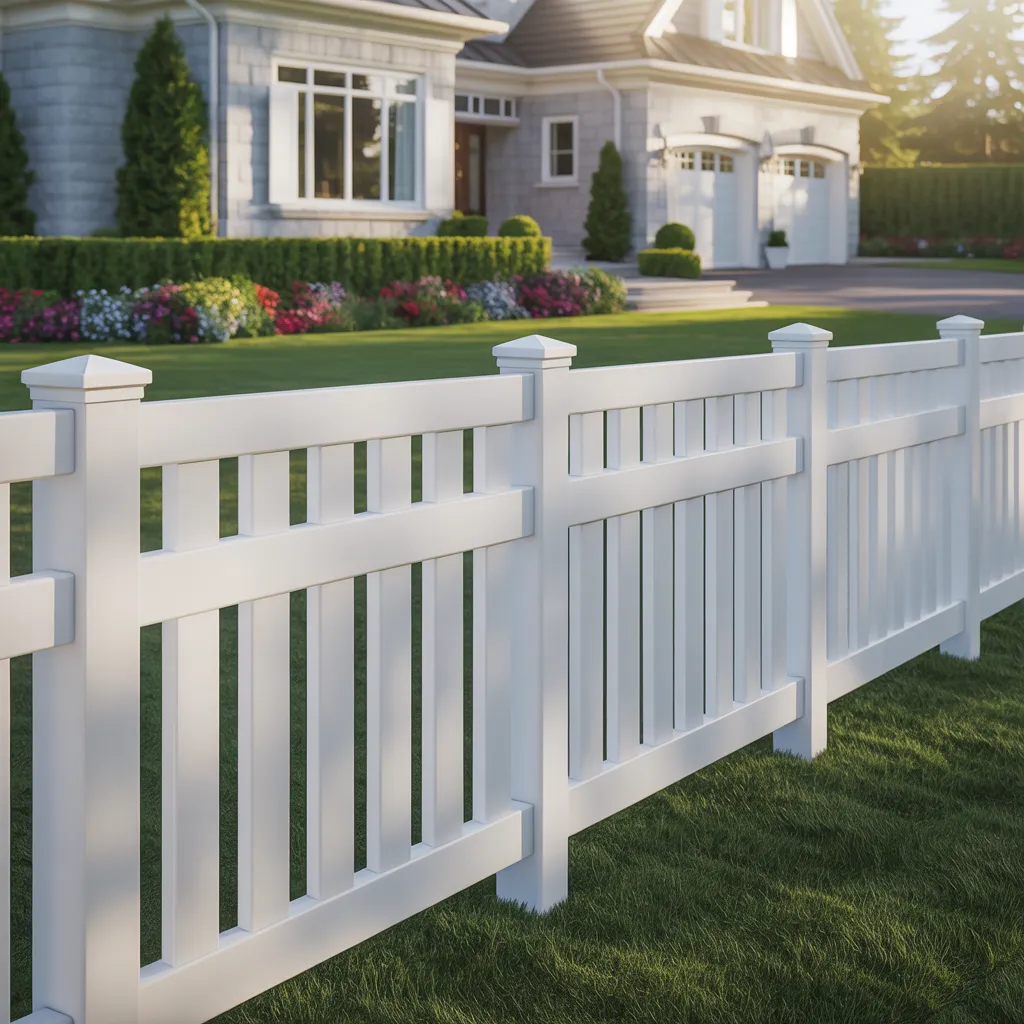
The Benefits of Professional Fence Installation
Though some homeowners choose to take a DIY approach to fence installation, the advantages of hiring professionals often outweigh the initial cost. Experienced installers offer expertise that ensures the fence is built properly and efficiently. They possess specialized tools and equipment, which minimizes the risk of errors and enhances overall quality. Moreover, their expertise allows them to address difficulties such as uneven terrain or local requirements, which can create complications for DIY attempts.
Furthermore, employing professionals often results in speedier project finishes, relieving homeowners of the challenge of extended projects. Professionals also provide warranties on their work, offering peace of mind pertaining to long-term durability and upkeep. This assurance can alleviate concerns about ongoing complications that might arise from faulty installation. In summary, the value of expert fence installation include skilled workmanship, reduced timelines, and lasting dependability, making it a prudent choice for many homeowners.
How Much Will Professional Installation Cost You?
The expense of professional fence installation can vary greatly due to several key factors, including the choice of materials, labor costs, and site conditions. Understanding these influences is important for homeowners considering this option. Additionally, considering the long-term value may help determine whether the investment aligns with future needs and property enhancement.
Variables Impacting Installation Cost
A variety of factors affect the overall cost of hiring a professional to install a fence, highlighting the need for homeowners to know what factors into these expenditures. The type of fencing materials used—such as wood, vinyl, or metal—has a substantial effect on the overall cost. Furthermore, the height and length of the fence have a considerable impact; bigger projects tend to cost more. Labor costs also differ based on installation complexity and prevailing local rates. Terrain and site factors, such as landscape features and site access, can add to the overall expense, as additional equipment or preparation may be required. Finally, any applicable permits or regulatory inspections must be taken into account, increasing the final price. Being aware of these factors empowers homeowners to approach their fencing projects with confidence.
Considerations for Long-Term Value
Understanding the financial aspects connected to professional fence installation reaches further than the immediate expenses. While the upfront fees can seem higher when measured against DIY options, the extended value often justifies the investment. Professionals bring expertise that guarantees proper installation, which can reduce the need for expensive repairs and maintenance as time goes on. Additionally, a well-installed fence can improve property value and curb appeal, potentially yielding a return on investment when putting a house on the market. The resilience of professionally installed materials frequently exceeds DIY alternatives, minimizing future replacement costs. Ultimately, bringing in a specialist can lead to considerable financial benefits and peace of mind, making the upfront investment worthwhile in the context of long-term benefits.
Common Hurdles of DIY Fence Projects
Beginning a DIY fence project can rapidly bring to light a host of unforeseen complications. Property owners often overlook the intricacy of adequate preparation, including lot line surveys and getting the proper permits. Without a thorough land survey, they may inadvertently infringe upon neighboring property or breaching local ordinances.
Moreover, picking the right materials and tools can be overwhelming. Limited experience may result in buying insufficient resources or misjudging measurements, resulting in additional expenses and setbacks. Proper techniques for installation are critical; incorrect alignment or inadequate post depth can compromise the durability and effectiveness of the fence.
Furthermore, most DIY homeowners underestimate the impact of weather-related delays, which can halt the project. The physical requirements, such as excavating post holes or maneuvering cumbersome materials, can also challenge even the most committed DIY practitioners. Such difficulties emphasize the demanding nature of DIY fence construction, leading many homeowners to appreciate the importance in-depth guide of skilled professionals.
How Professionals Save You Time
When thinking about fence installation, professionals offer significant time savings when measured against DIY efforts. Their expertise in coordinating and delivering projects secures quicker project completion and prevents delays. This streamlined approach allows homeowners to appreciate their newly installed fence without the extended wait typically attributed to self-installation.
Quicker Project Delivery
Employing professional installers greatly expedites the fence installation process. Experts bring specialized tools and experience, allowing them to complete projects more quickly than most DIY enthusiasts. While a homeowner might take days or even weeks to finish installation, skilled teams commonly wrap up the job within hours or days, depending on the project size. Their familiarity with various materials and techniques enables them to overcome challenges efficiently, minimizing delays. Moreover, professional teams usually collaborate effectively, splitting responsibilities to maximize efficiency. This not only speeds up the installation but also reduces the likelihood of errors that could prolong the project. Ultimately, hiring professionals guarantees a timely completion, enabling homeowners to benefit from their new fence more quickly.
Skilled Planning and Execution
Though many homeowners fail to recognize the value of comprehensive planning, skilled fence professionals know that detailed preparation is critical to achieving a successful fence installation. Experts begin with a detailed assessment of the site, accounting for variables such as topography, soil composition, and zoning requirements. This thorough strategy confirms that all essential supplies are secured and that the plan reflects the homeowner's goals while remaining in accordance with local codes.
Additionally, skilled technicians use sophisticated approaches and resources, simplifying the overall installation. Their expertise enables them to predict complications and tackle them ahead of time, minimizing setbacks. Through careful timeline management and efficient labor coordination, skilled workers not only conserve time but also prevent costly oversights that frequently stem from poor planning. Ultimately, skilled planning and implementation result in a seamless, more productive installation.
How Experts Manage Local Regulations
Managing local codes can be an intimidating task for homeowners, but professionals excel in this area. Skilled fence installation specialists possess extensive awareness of zoning laws, construction standards, and permit obligations specific to each locality. They keep current with changes in regulations, securing conformity that DIYers might overlook.
Moreover, skilled contractors commonly hold well-developed ties with local regulatory agencies, which can streamline the licensing procedure. This familiarity permits them to navigate any potential roadblocks with ease, minimizing delays that may result from lack of clarity of regional requirements.
Additionally, experts can help homeowners choose suitable materials and styles that meet local guidelines, lowering the chances of future violations or forced modifications. By utilizing their knowledge, professionals streamline the installation process, shielding homeowners from the difficulties and complications of navigating compliance requirements. Ultimately, hiring an expert not only guarantees adherence to legal standards but also enhances the overall efficiency of the project.
Why Skilled Installation Secures Quality and Long-Lasting Results
Navigating local regulations is merely one component of ensuring a successful fence installation; the quality of workmanship plays a crucial role in the fence's longevity. Professionals bring a wealth of experience, applying techniques that ascertain proper stability, alignment, and depth of fence posts. Their skill reduces common installation challenges, such as leaning or settling, which can undermine a fence's structural integrity over time.
In addition, professional contractors work with high-quality supplies, recognizing the complexities of various fencing types and how they respond to natural elements. This understanding serves to prevent early deterioration and damage, increasing the durability of the fencing system.
Additionally, skilled fitting commonly features suitable finishing and weatherproofing techniques that enhance resistance to the elements. Through utilizing qualified installers, homeowners can be certain that their fence installation will exceed as well as meet visual standards but also endure for years to come, delivering confidence and minimizing the requirement for ongoing repair work.
Lasting Benefits of Expert Fence Installation
Investing in professional fencing services provides substantial lasting value that typically surpasses initial expenses. Professionals bring knowledge, ensuring the fence is installed correctly, which reduces the likelihood of future repairs. A well-installed fence can withstand environmental stresses, increasing its durability considerably compared to self-installation projects that may weaken the overall structure.
Additionally, working with a skilled contractor typically improves home value. A professionally installed fence not only elevates the appearance but also strengthens the property's curb appeal, drawing in potential buyers with greater appeal. This becomes especially critical in real estate environments where curb appeal drives decisions.
In addition, professionals commonly include guarantees, offering reassurance that amateur installations typically lack. This defense against imperfections or deterioration helps homeowners avoid unanticipated financial burdens over time. Ultimately, the sustained commitment to expert installation services yields significant rewards, in both economic value and in upholding a property's overall condition.
Common Questions and Answers
Am I Able to Install a Fence by Myself if I Have Little Experience?
Certainly, anyone can erect a fence without prior experience, but doing so may cause errors and difficulties. Research, planning, and patience are essential, though enlisting a professional can provide a more efficient and reliable outcome.
What Tools Are Necessary for DIY Fence Installation?
When installing a fence, key tools needed are safety gear, a post hole digger, level, measuring tape, hammer, saw, fence panels, and concrete mix. These items guarantee proper installation and enhance overall efficiency during the process.
How Do I Choose the Right Fence Material?
Selecting the most suitable fence material entails considering longevity, maintenance, visual appeal, and affordability. Typical materials include metal, wood, vinyl, and composite. Assessing each material's benefits and drawbacks supports making an informed decision that suits specific needs.
What Care Do Fences Need Following Installation?
Fences need regular maintenance, which includes cleaning, checking for damage, and using protective coatings. Wood fences gain from sealing and staining, while metal options may need rust treatment. Consistent upkeep prolongs lifespan and maintains appearance.
What Steps Can I Take to Keep My Fence Level and Straight?
To ensure your fence stays level and straight, it is recommended to use a long level or a string line to guide the installation. Regularly check alignment throughout the installation process, making adjustments to posts as needed to maintain consistency throughout the process.